

Classic games, explained clearly
Most people know how to play at least one card or board game, but rules vary from family to family. Each game page on Offline Games explains the rules that game actually uses, so there are no surprises. Checkers, for example, comes in English, Russian and International versions, which differ in board size and in whether pieces can capture backwards.
Card games and solitaire
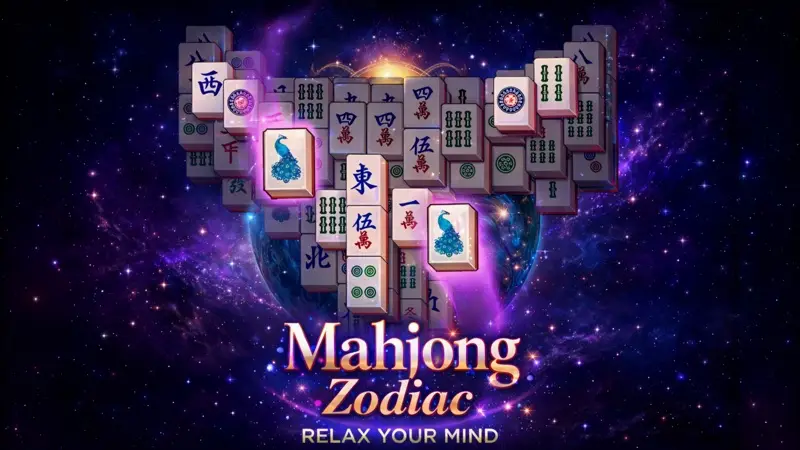
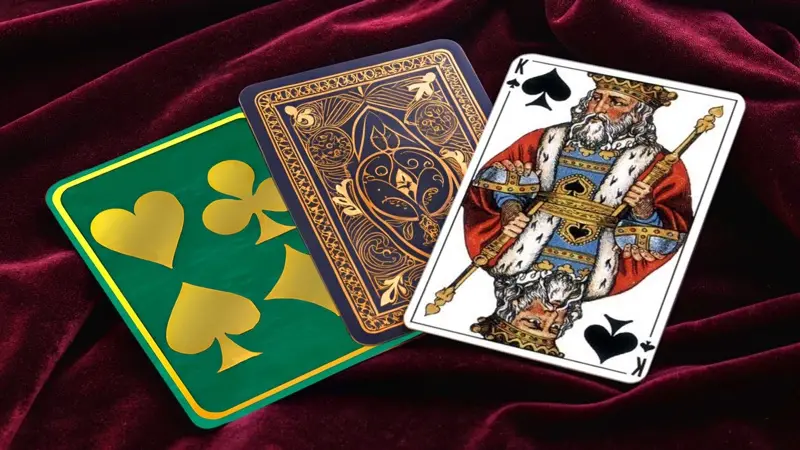
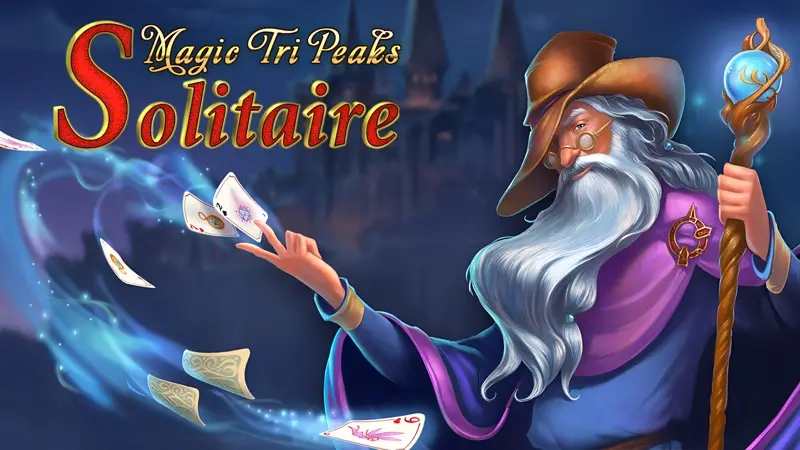
Klondike solitaire, also called patience, is the game most people picture when they hear the word solitaire: build four piles from Ace to King by suit, using seven columns of alternating colours. Tri Peaks solitaire is faster: clear three pyramids of cards by picking cards one higher or lower than the open card. Mahjong solitaire swaps cards for tiles and asks you to match pairs of free tiles until the board is empty.
Board games
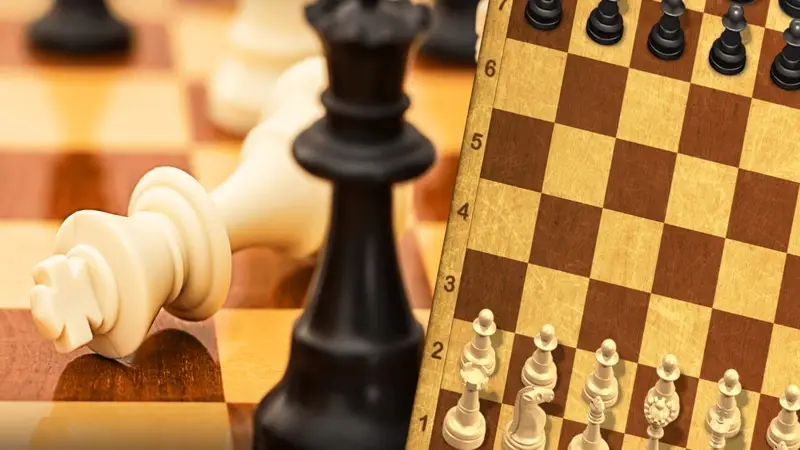
Chess needs no introduction, and playing against a computer opponent at an easy level is a great way to learn. Checkers (draughts) is quicker and simpler, with captures that can chain across the board. Ludo is the dice race of every family holiday, and backgammon combines dice luck with real strategy about when to take risks.
Tips for card and board games
- In solitaire, uncover hidden cards first. Moves that reveal a face-down card are almost always better than moves that do not.
- In chess, control the centre. Pieces in the middle of the board can reach more squares.
- In checkers, keep your back row. Leaving your back row in place stops the opponent crowning kings.
- In Ludo, spread your risk. Moving several tokens out of home gives you more choices on each roll.
Enjoy thinking games? Try our puzzle games, or play with a friend from our 2 player games.